Last week, in my Cultural Entrepreneurship class, we discussed the inherent risk-tolerance in an entrepreneurial mindset and one’s willingness to fail. In an ice-breaking exercise requiring some vulnerability, we went around the room and shared some of our biggest failures. I thought you might like to hear the example I shared, since it’s somewhat interesting and reveals a side of me you may not know about.
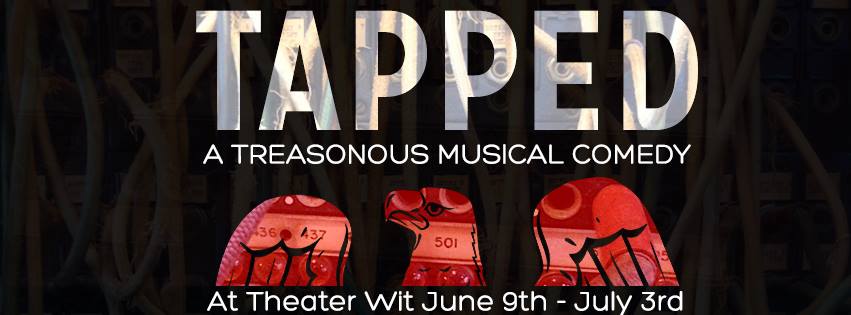
Back in 2015, while I was studying and performing at the Second City Training Center in Chicago, a friend from Second City approached me about an original musical comedy he had written: a satirical and farcical love story loosely based on the Edward Snowden saga called Tapped. It had been accepted into a festival of original works organized by a hole-in-the-wall theater in town and my friend needed a cast. With my interest piqued, I auditioned for a role and was cast in the ensemble.
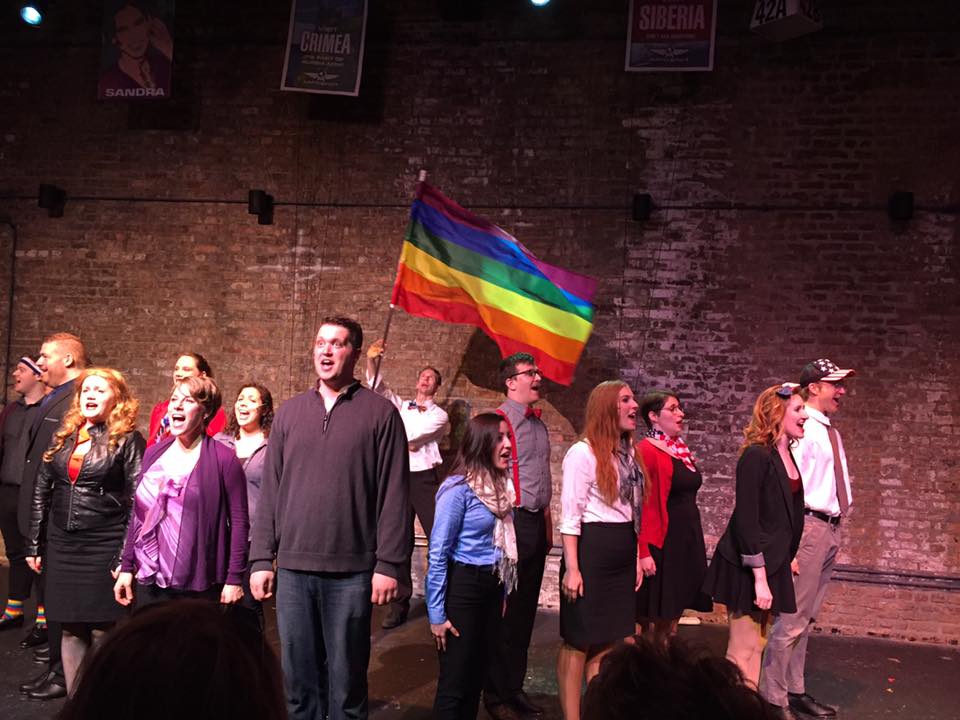
We only had a few months to rehearse and the production was as gritty as you can imagine: minimal costumes, props, and set pieces; very simple dance choreography; only a piano for musical accompaniment; you get the picture… But what we lacked in technical production, we more than made up for in heart and dedication. The reason we so easily bought in to the show? The script was fantastic! Bursting with creativity and originality, it had the right amount of smart and stupid, snark and sincerity; it had well-developed characters with equally strong male and female leads, powered along by versatile ensemble roles; it had clever dialogue, a proper story arc, a clear and relevant message, and was funny as hell.
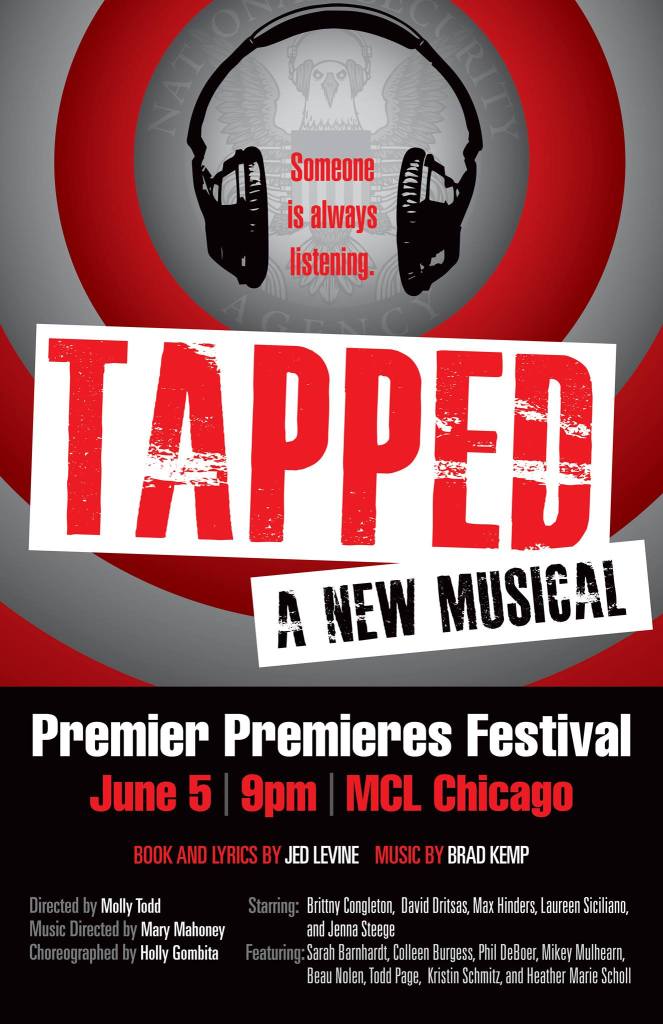
Our scrappiness paid off as we took first place in that year’s festival, beating out five other productions. We were awarded a free run of about six shows in that theater. Every night we packed the house to its max capacity (approximately 50-60 seats since it was a small venue) and every night audiences laughed uproariously, raining cheers and applause upon us – and they kept coming back for more!
Riding that wave of optimism, the creator decided to remount the show for a 15-show run at a larger black-box theater in town that could hold approximately 100 seats. The festival version of the show had to be kept under 90 minutes, but with that restriction off the table for the remount, the creator added several musical numbers, pages of dialogue, and another lead character with her own narrative arc that were all supposed to be part of the original script. Suddenly, our show was pushing 2 hours and 30 minutes (with a 15-minute intermission) during rehearsals and we hadn’t even used our new set pieces yet (they were still in fabrication). Things never got better from there.
The production quality wasn’t raised commensurately to fit the larger venue space. The piano accompaniment was replaced with a six-piece band, but the costumes and props didn’t significantly improve. And once we finally got our set pieces (at least those that were finished – some actually never got made) a couple days before opening night, they neither functioned reliably nor adequately filled up the space. On top of that, we realized during tech week that one of the stage entrances we had planned was no longer available, so we had to reroute several entrances and exits without much time to rehearse them. Scene transitions were now painfully long, further dragging down an already bloated script.
Making matters worse, the expectations for this run of shows had been raised dramatically. We had crowdfunded to offset our production costs. We had hired someone to develop and execute a full-blown marketing strategy. We were charging ticket prices comparable to professional theaters in town. And we made the fatal error of inviting professional theater critics to opening night. The reviews were not pretty.
As I reflect on why our remount was a flop compared to our original run, I think the main issue is rooted in scalability. We punched above our weight in the smaller venue. The casual, BYOB environment was a perfect playground to elicit imagination and create an immersive, communal experience. Audiences arrived with low expectations and willingly overlooked the bare-bones production value once they saw how committed the actors were and realized how high quality the content was. The harmony between the environment, the audience, and the performers created this feeling of in-the-moment magic-making.
I still believe the show could scale to a much larger, even proscenium, stage. But in hindsight, the latter version of the script needed to be workshopped more and the production value raised commensurate with the venue size, ticket price, and audience expectations. Beware the peril of overpromising and underdelivering!
Despite some embarrassment, I’m proud to have been part of the experience. And I’d say our failure was fitting with the theme of the show, anyway. In fact, coincidentally, the closing number of the show is called “Fail Big” and promotes a message of always aiming high, even if you fall flat on your face. Just as Snowden’s daring leak of illegal surveillance programs never resulted in the institutional reforms he had hoped for, our “little musical that could,” ultimately, couldn’t.
Do you consider yourself a risk-taker? If not, what prevents you from taking risks? If so, how do you mitigate risk to ensure success? What’s your greatest success or failure? Comment below!













 My MMIAM Journey