
Every week this semester, for our Fundraising class, we visited a different cultural institution and met with one of its leaders there. One of the most interesting visits, for me, was with Chief Philanthropy Officer Kim Bryan at the Sixth Floor Museum.
The Sixth Floor Museum was founded by the Dallas County Historical Foundation in 1989. The exhibits are located on (you guessed it) the sixth floor of the building formerly known as the Texas School Book Depository, where Lee Harvey Oswald allegedly* fired the shots that killed President John F. Kennedy. Despite its nonprofit status, the museum receives virtually no contributed income; its approximately $8 million annual revenue is driven almost entirely by ticket sales ($14-18 per visitor) and an on-site gift shop. This revenue composition, however, is likely to change.
The museum has reached an inflection point in its 30-year history. Its business model has proven remarkably steady and sustainable through the years, but its impact and relevance is tenuous. The museum has a complicated relationship with the residents of Dallas, and the museum’s relationship with the Kennedy family is tepid, at best. As with Memphis and MLK Jr.’s assassination, Dallas still feels the shame of being associated with such a shocking, historic tragedy. The typical visitor of the Sixth Floor Museum continues to be an out-of-town, boomer-generation, American male who goes to personally view the site of one of the most infamous events in American history, but is unlikely to ever make a return visit to the museum. The exhibits have not been significantly updated since they were installed and, other than the novelty of looking down on Elm Street from the sixth floor windows, there really isn’t anything unique or exclusive about the visitor experience. In today’s information age, especially, you’re unlikely to discover anything new by visiting the museum that you couldn’t find out through any of the plethora of documentaries, books, and online literature on the subject.
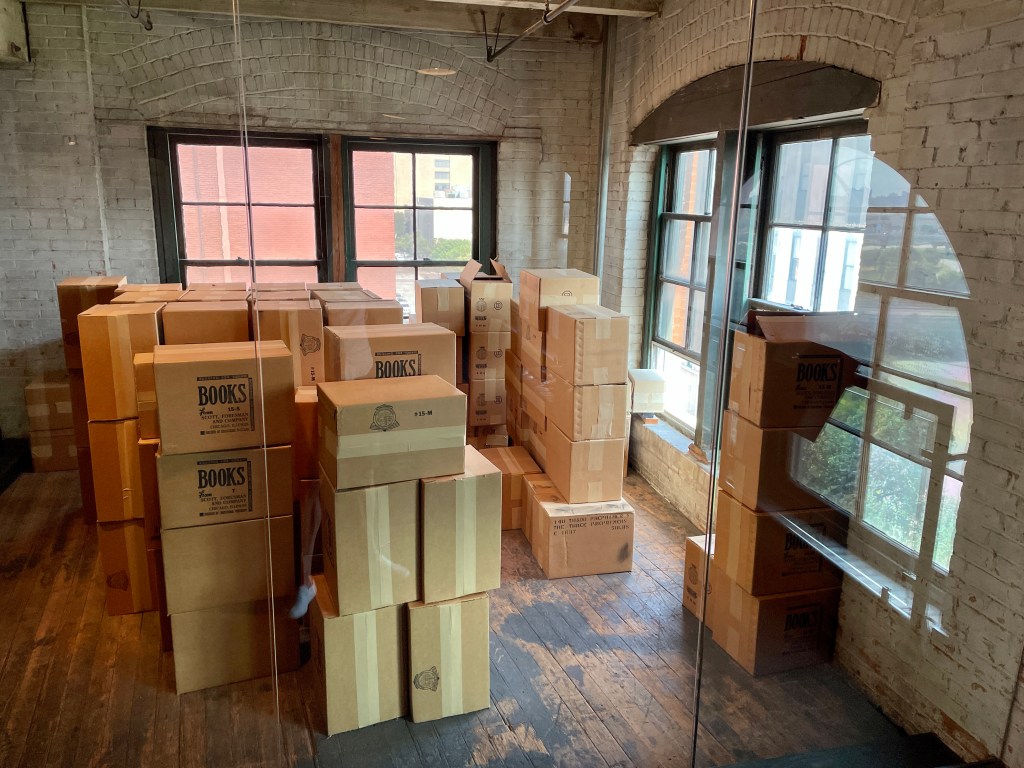
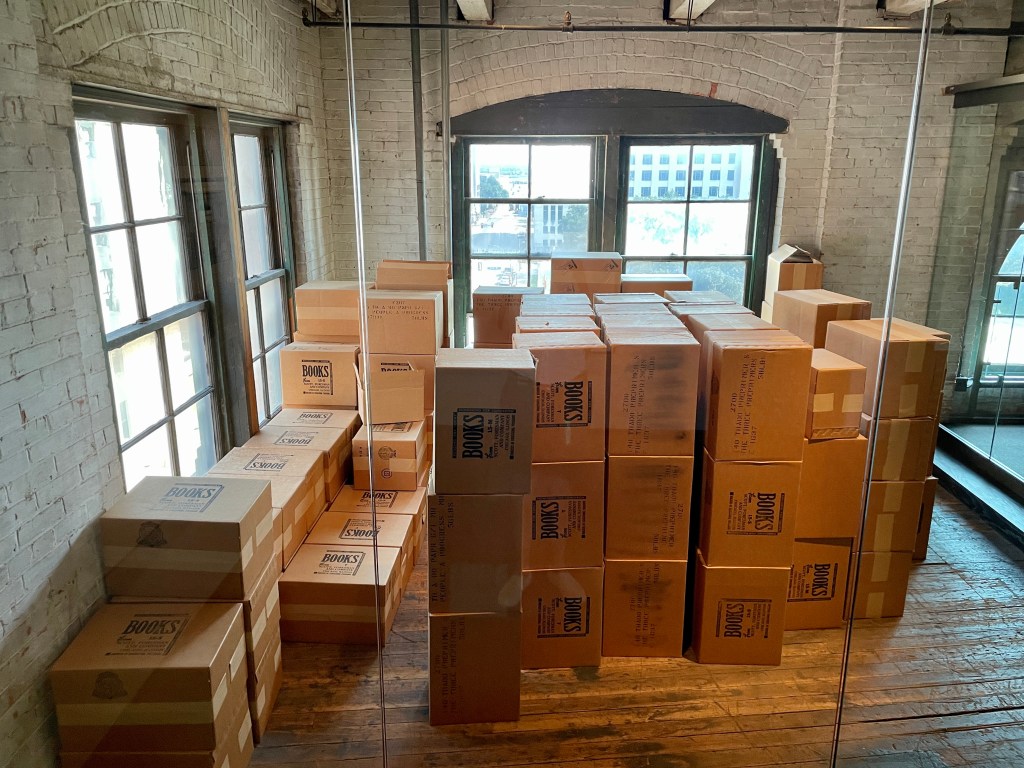
There is the potential, though, for the museum to be so much more than just a historical landmark. The best cultural organizations manage to continually refresh, reimagine, and reinterpret their core content in ways that maintain relevance in the lives of their constituents and community members. Such institutions find and highlight for their audience the through-lines that connect the themes, lessons, and characteristics of their content with those of current times. An event like JFK’s assassination is rife with topics that are still relevant today: tense race relations, extremism, vigilantism, conspiracy theories, and a shared sense of national trauma, just to name a few.
The situation reminds me of a former client of mine, the South Carolina State Museum, which hired me to conduct the search for an Executive Director in 2019. Located in its capital city, Columbia, the SCSM was founded by the State in 1988 to “tell the story of South Carolina.” But despite its strong revenue and attendance growth, the storytelling had become stale over the years. The permanent exhibits had gone untouched ever since their installation, and the floor dedicated to state history only went as far as the early 20th century. That’s a lot of history remaining to be told, and some of it is very grim. It became clear that the museum needed to refresh its permanent exhibits, and therefore the next Executive Director needed to be adept at interpreting a museum’s content accurately, sensitively, and in a way that reaches people’s lives today.
The leadership at the Sixth Floor Museum would like to transform it into a world-class institution, such as I’ve described. But this requires a shift in its programming strategy and offerings. And a shift in programming requires a shift in revenue composition. And so this is the (multi) million-dollar question facing leadership: how does an $8 million museum that has never raised a dollar in its 30-plus-year history suddenly start asking for money?
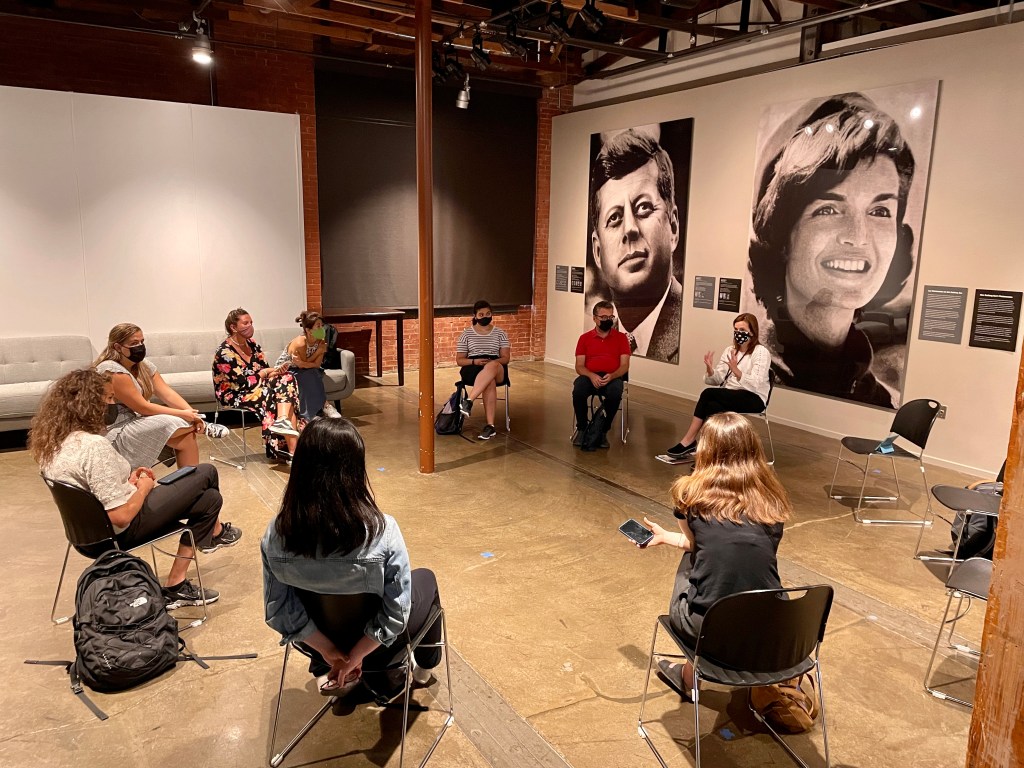
The museum hired Kim Bryan, its first-ever fundraiser, in September 2019 to answer this question. As she described to us the challenge of creating an annual fund from scratch, I picked up on a propitious factor: the museum has an opportunity to purchase another floor or two in the building, which could be used for special exhibit space. This would create exciting opportunities to showcase temporary exhibits and programs in line with those I described earlier. Purchasing these floors would require a capital campaign, which is just the kind of event that excites first-time donors. People are reticent to give to an organization for the first time if it’s never needed money before and it’s not clear why it needs money now. But everyone loves supporting a new building project – it’s a visual, tangible, obvious justification for the donation. And a campaign like this is a great opportunity to publicize the exciting new vision and mission for the organization. And what do you have when you’ve completed a campaign? A donor list! Now, you have hundreds if not thousands of individuals who have already shown an interest in the success of the organization through their gift, who could more easily be converted into annual fund donors than if they had no prior relationship with the museum.
I floated my theory by Kim and my classmates, and Kim applauded my analysis. She recognized the logic and agreed that a capital campaign would help enable the funding shift needed at the museum. Of course, saying what should be done is much easier than doing it. There still remain a lot of challenges to preparing and launching a campaign under the circumstances faced by the Sixth Floor Museum. But as an outsider looking in, I found the situation to be a fascinating case study in the relationship between mission and funding at nonprofit organizations, and how an organization can refresh its mission to leverage new funds. From my vantage point, at least, the Sixth Floor Museum has an exciting path forward.
What do you think? Have you seen other organizations navigate a similar inflection point? What are other ways a nonprofit cultural organization can successfully solicit first-time donors? Comment below!
*The word allegedly is used here only because Oswald’s guilt was never proven in a court of law.
 My MMIAM Journey