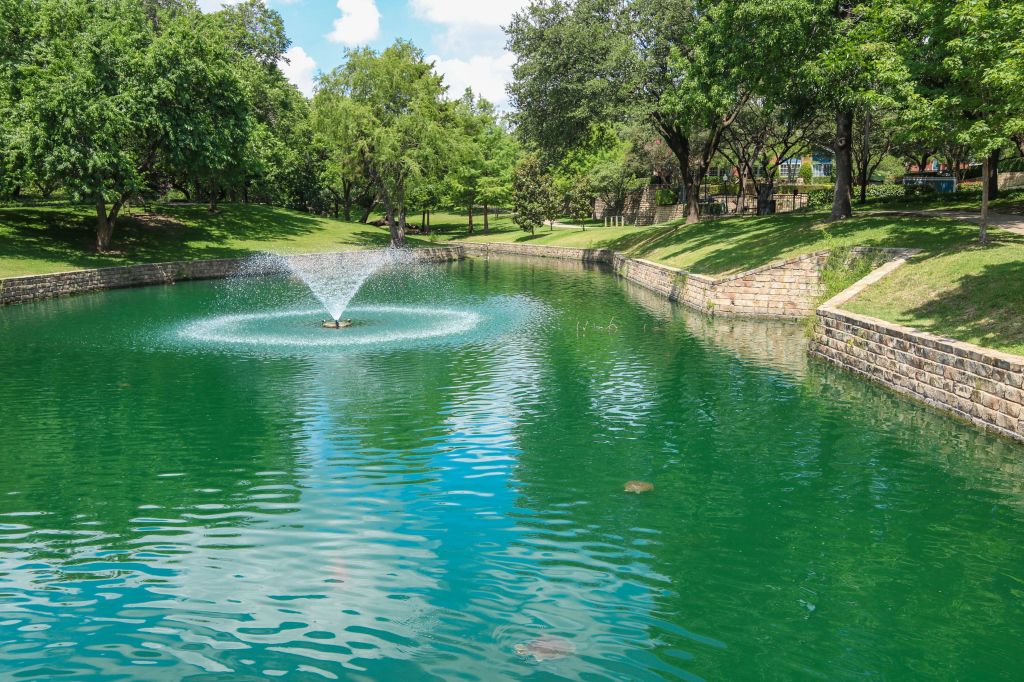
No, not those Village People. The Village is the name of the apartment home community where I’m living in Dallas, and I’m its newest resident (the actual term they use to refer to us is “Villagers”). This is one of the housing locations the MMIAM program recommended to us, since it’s only a ten-minute drive to the SMU campus.
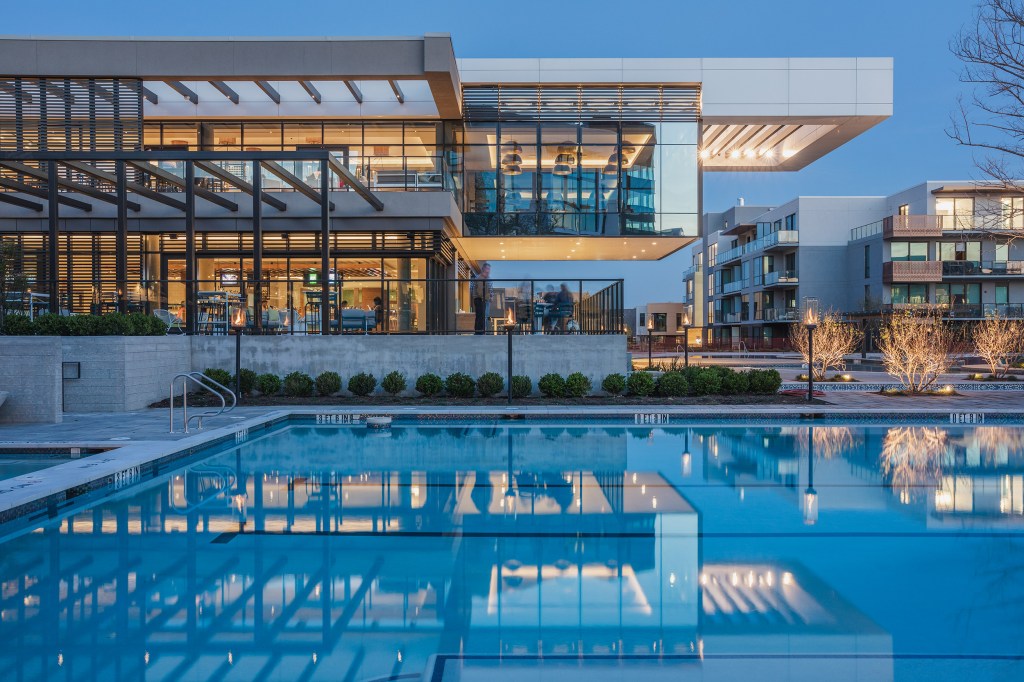
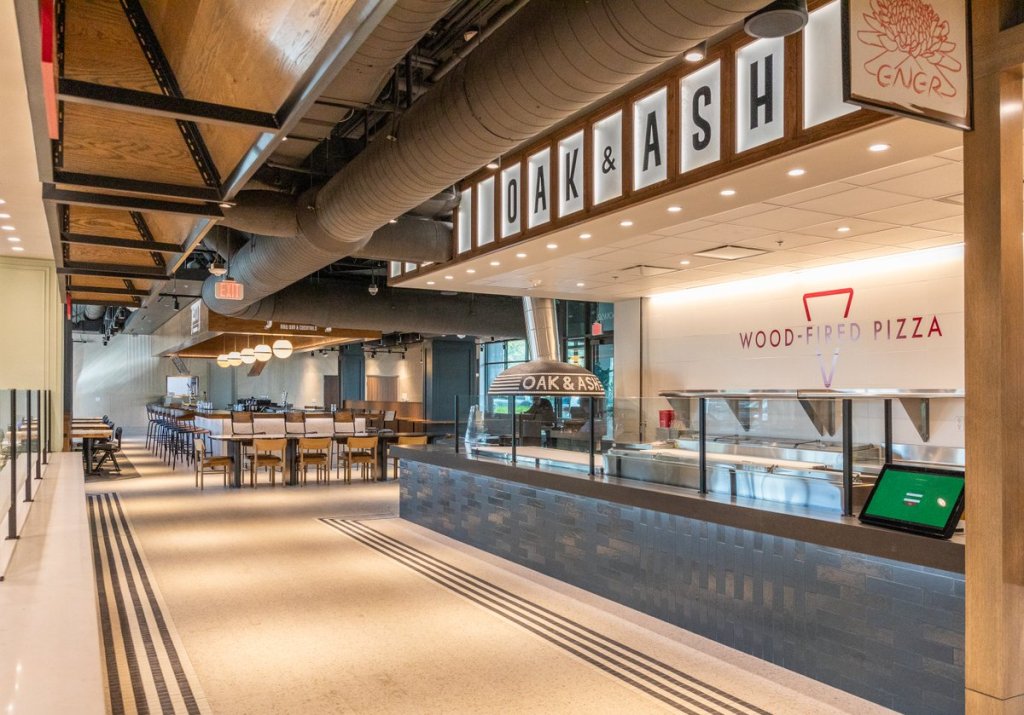
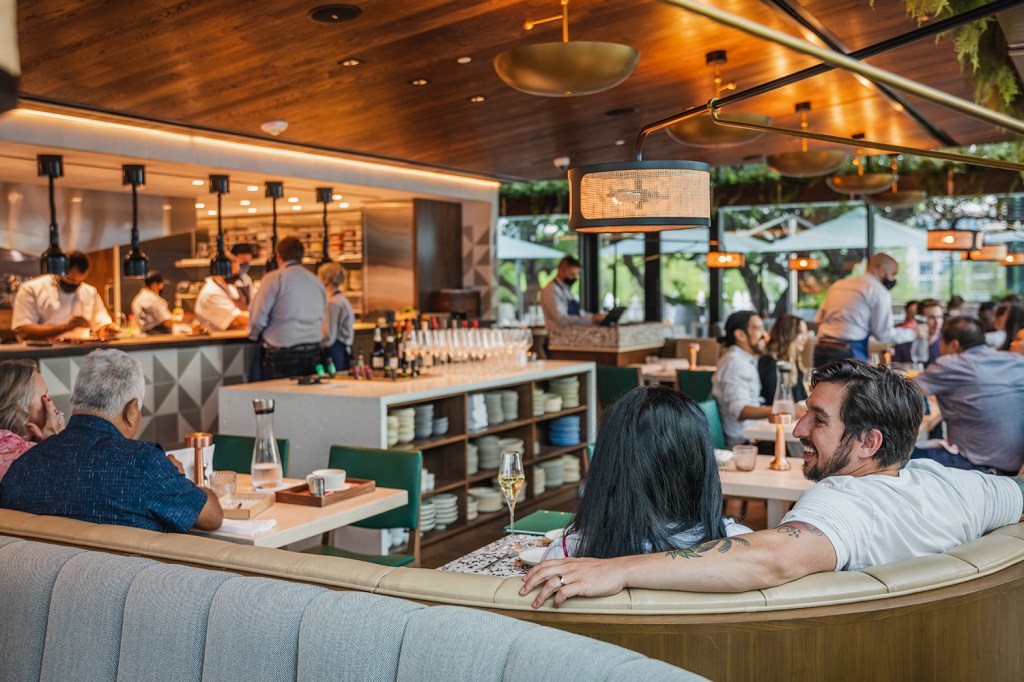
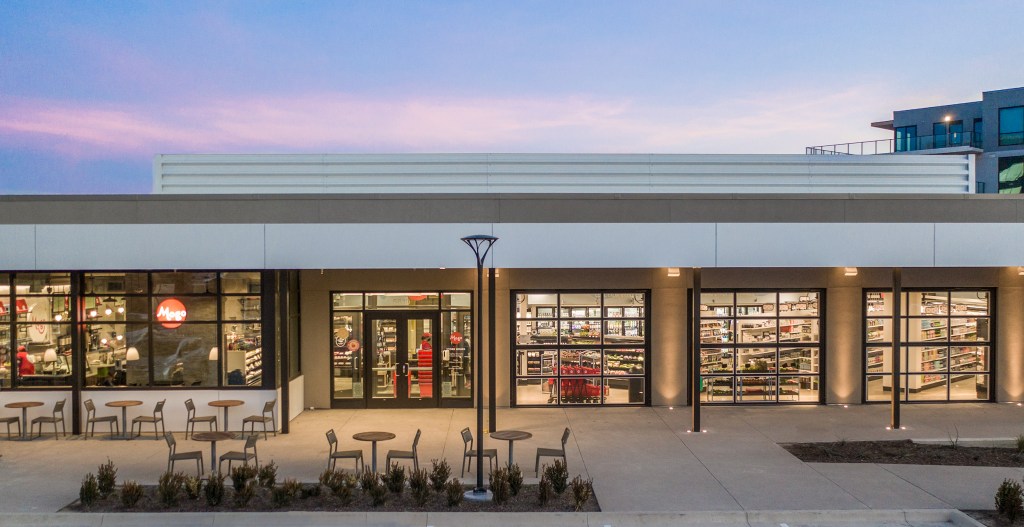
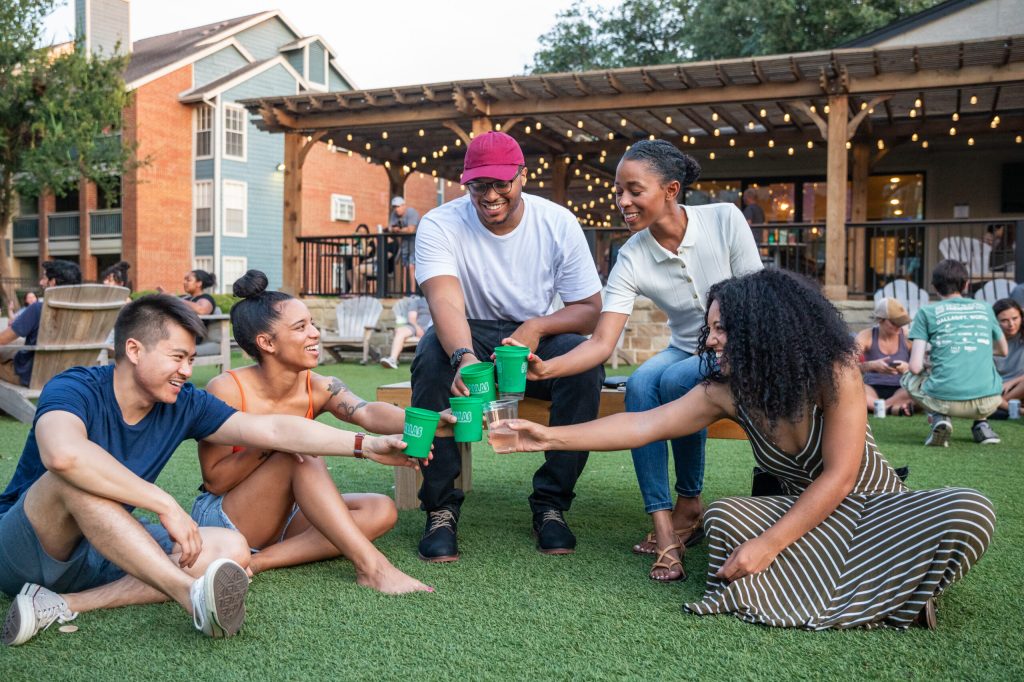
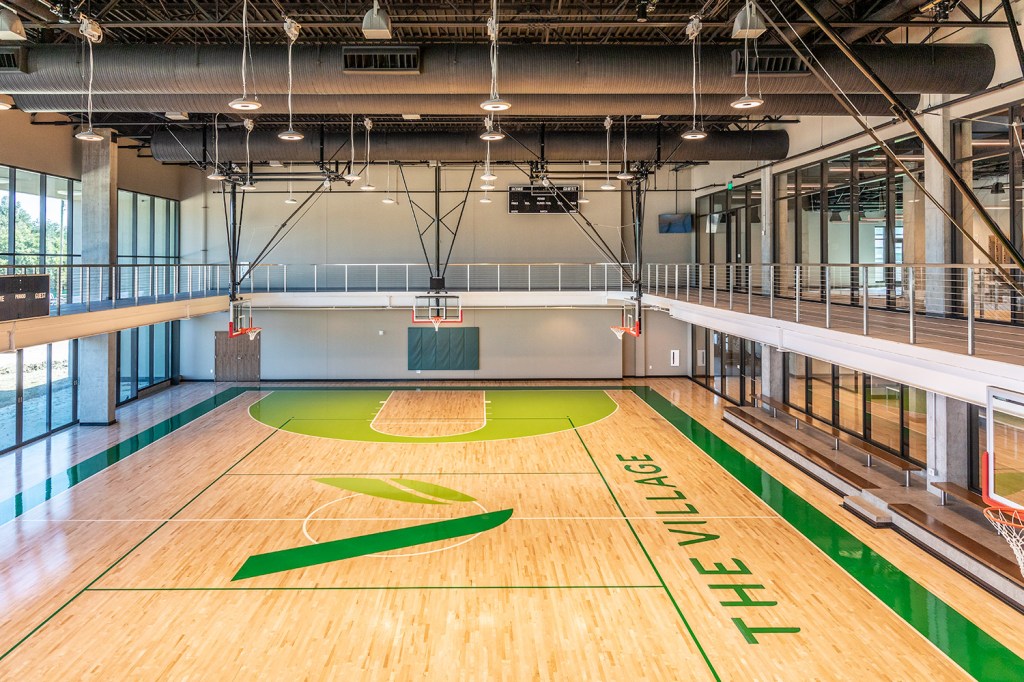
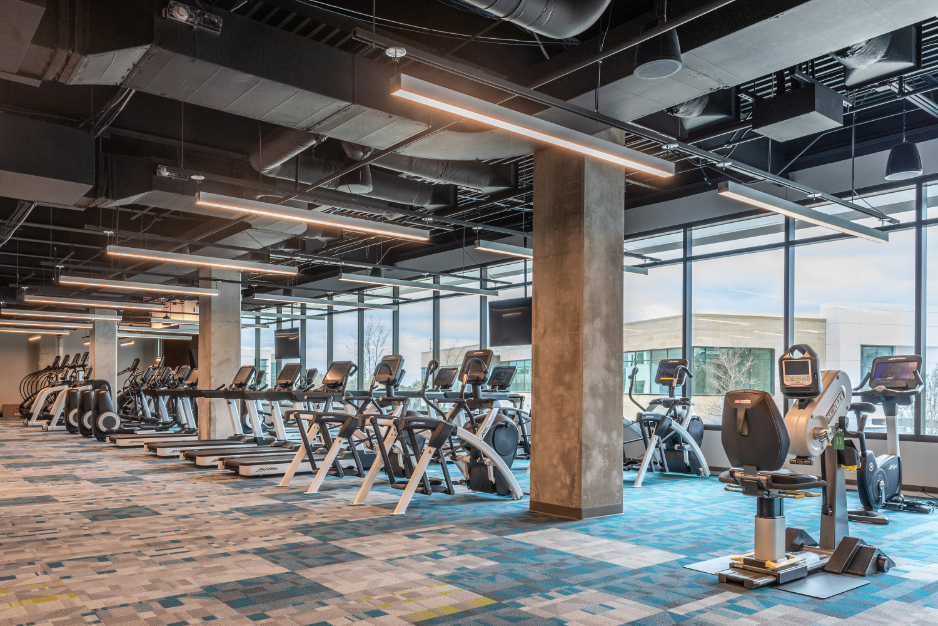
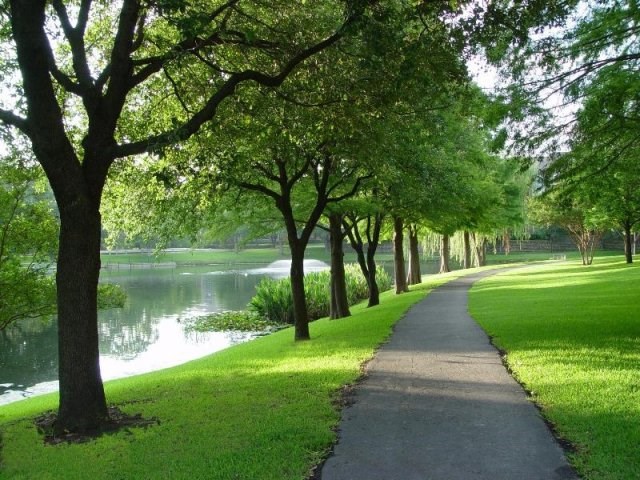
The Village itself is a sprawling, approximately 400-acre campus with more than 7,000 apartments in at least 17 different complexes. You could think of it as a “community of communities” but a more accurate description would be a “city within a city” because, in addition to its residences, the Village comprises its own Main street/downtown district with a hotel, country club, fitness center, game room, restaurants, shopping, salon, dog park, walking trails, even an indoor, virtual 18-hole golf course!
My apartment is small and simple, on the second floor of a duplex in one of the older neighborhoods on the campus (The Village has been around since the 1960’s), but the community amenities are free to all residents and I’m able to access them quickly by zipping around on my electric kickscooter. I’ve already started becoming a regular at the gym and pool area in the country club.
The demographics of the residents skews younger: mostly twenty- and thirty-somethings. But there seems to be quite a bit of racial diversity among staff and residents, which has been really cool. I know there is at least one other MMIAM student living in The Village, too. So far, it’s been unusually quiet with less people than I would have expected. But I’m guessing it’s because a lot of people are gone for the summer and once the school seasons starts up it’ll become more occupied. The management company plans frequent social events for residents, so I’m looking forward to meeting my neighbors and making new friends.
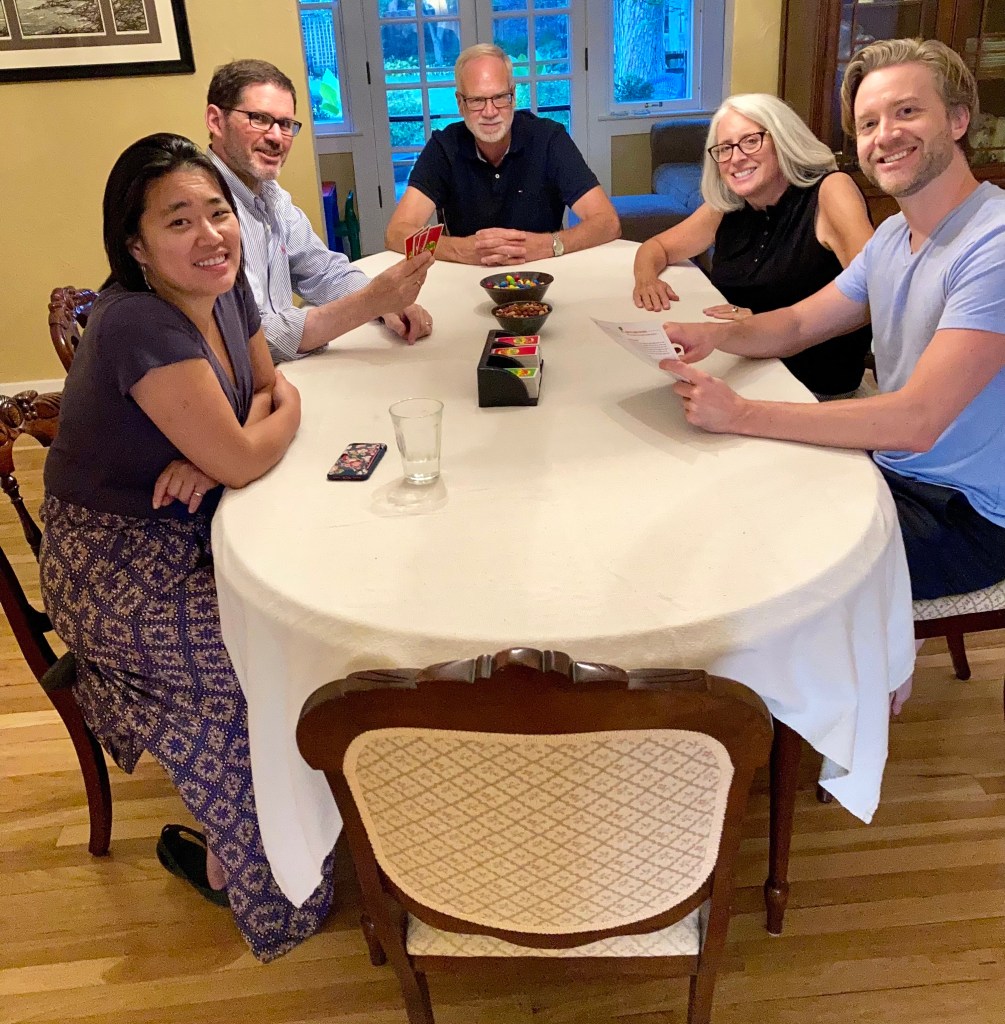
Our two-day orientation for MMIAM starts Thursday. Last night, I met up for dinner and drinks with four of the other students who have arrived in Dallas. It’s hot and humid here, but I couldn’t have asked for a better start to the year so far. I only needed a safe, clean, affordable, temporary home near the SMU campus, but I’ve been given so much more. I’m feeling very fortunate.
As the countdown to commencement gets closer and closer (tomorrow I fly down to Dallas and officially begin this journey), a lot of people have been asking me some version of the same question: “Are you excited, Phil?” While my answer is always and genuinely in the affirmative, the truth of what I’m feeling is a lot more complicated than that.
It’s hard to overstate how unprecedented this upcoming experience will be for me. I’ve never done anything like this, nor has anyone close to me done something like this before. As I said in a previous post, “I’m releasing some things that were sure and certain in my life so that I can embrace whatever new opportunities God has in store for me.”
How does that make me feel? Depends on the exact moment, but lately I’ve been feeling any number of emotions: invigorated, inspired, curious, eager, nervous, anxious, afraid, humbled, proud, grateful, privileged, sentimental, motivated…
What’s really setting in for me now, and it’s a bit surreal, is the fact that this is no longer an idea or a distant event in the future. This is real. This is now. The day I’ve been thinking about and planning and preparing for since November 2019 is finally here. How can I describe the cocktail of emotions I’m feeling? Whatever you’d call this concoction, my amygdala has served me up a strong one!
But although I haven’t sold a home and left a job to travel the world and earn an advanced degree during a pandemic before (has anyone?), I remind myself that I have done new and challenging things before. And the lessons I’ve learned from those experiences will aid my success now.
Something else I’ve learned from working with and observing executives is the importance of shifting gears from planning to execution. The best leaders are able to recognize when it’s time to say, “The planning is done. No amount of additional prep work is going to change things.” They then have the courage to make their decision, commit to it, execute it as best they can, and accept the outcome.
On the eve of my new journey, this is the mentality I’m taking. The planning is done. My decision has been made. It has all been set in motion. Now is the time to dive in, to fully immerse myself in the experience, and soak up every bit of it. I have faith that everything will work out; and whatever the end result is, I will be better off for having gone through it. It’s go time!
Do you agree in the importance of shifting gears from planning to execution? What do you think holds people back from making a decision and committing to it? How do you overcome those hindrances? Comment below!
Since I’ll be spending a lot of time in Montréal and Milan, I’m teaching myself French and Italian on an app called Duolingo. I’m also relearning Spanish just for fun. If you’re on the app, add me as a friend and we can encourage each other! My username is PhilDeBoer.
Our fall course schedule is here! Check out the things we’ll be studying. What’s your reaction? What looks most interesting to you? Comment below!
Course Title
Instructor
Mon
Tues
Wed
Thurs
Fri
Cultural Entrepreneurship
Jim Hart
12:30-1:50pm
12:30-1:50pm
Comparative International Cultural Policy
Doric Earle
11:00-12:20pm
11:00-12:20pm
International Law and the Arts
Andrea Perez
9:00-11:50am
Fundraising in the Arts
Alex Turrini
3:00-5:50pm
Nonprofit Arts Budgeting and Financial Management
Maureen Mixtacki
1:00-3:50pm
Cultural Entrepreneurship
Introduces the process of startup entrepreneurship and presents a number of tools that can be useful as a support in the different phases of the business planning process. Covers governance and strategy issues (i.e., assembling teams, board-executive relationships, and organizational structure) that accompany the growth of arts and cultural organizations from their birth to their decision of going international.
Comparative International Cultural Policy
Overview of policy models, analysis, and practices of the cultural sector in its different areas (heritage, visual and performing arts, etc.) and countries. Students analyze historical and theoretical backgrounds of cultural policy; cultural policies in practice (stylized facts and geographical and political divergences at local, national, and international levels); cultural policies and their socio-economic impact; culture, diversity, and development; cultural access and arts education; and stimulation of the supply of art.
International Law and the Arts
Analysis of the legal implications of managing arts institutions. Topics include organizational structures and tax implications; contracts and negotiating strategies; copyright and trademark ownership, licensing, and use; royalties and artists’ economic rights; the rights and limitations of free expression; and the international treaties, laws, regulations, and policies that impact arts and culture.
Fundraising in the Arts
Examination and mastery of strategies for raising funds in the private and public sectors. Includes the process of researching, preparing, and managing individual and corporate gifts as well as foundation and government grants.
Nonprofit Arts Budgeting and Financial Management
The financial and operational management of nonprofit arts organizations, with an emphasis on the budget as a reflection of the art form, as a means of fiscal prediction and control, and as a vehicle of communication among staff, trustees, and the organization’s other stakeholders.
If you’re curious about where I’ll be and when, feel free to reference this calendar (some dates subject to change)
August 16 – December 15, 2021: Semester in Dallas
December 16 – January 2, 2022: Holiday break
January 3 – April 29, 2022: Semester in Montréal
April 16 – 26, 2022: Trip to Bogotá (technically happens during Montréal semester)
May 2 – 10, 2022: Trip to Mumbai
May 12 – 21, 2022: Trip to New Delhi
May 23 – 29, 2022: Trip to Beijing
June 1 – 18, 2022: Classes in Milan and likely an organized tour of Rome
June 19 – August 31, 2022: Writing and delivery of master’s thesis. Some of this will probably be spent in Milan, but we are on our own to figure out how and where to spend this time. I hope to be able to do some independent European travel during this period too.
I’ve been researching and preparing for this program for over a year and a half, so there’s a good deal I can answer for you now:
Who else is doing the program? There are approximately 12 students in my cohort and we will go through this program together. We are all in our twenties and thirties and hail from all over the world (China, France, Colombia, etc.). We all have an interest in or connection to the arts, but we have varying amounts of professional experience. Some have just completed their undergraduate degrees and are attending this program to prepare for and gain clarity on what they want to do professionally. Others, like myself, have been working for many years already and are looking to shift gears a little. I’m excited for the diversity of backgrounds and perspectives represented in a cohort like this.
Where will you be living? During the semester-long stays in Dallas, Montréal, and Milan the students are responsible for making their own housing arrangements. The program offers some suggestions on safe and affordable places to stay, but the students must secure and pay their own leases wherever they decide to live. Some students may choose to room together, but we won’t all necessarily be living together. During the short stays in Bogotá, Mumbai, New Delhi, and Beijing, we will stay together in hotels that the program books for us.
What’s the curriculum like? The classes will be taught by faculty from each of the following universities: Southern Methodist University (Dallas), HEC Montréal (Montreal), Universidad de los Andes School of Management (Bogotá), Peking University (Beijing), and SDA Bocconi School of Management (India and Milan). The program is designed to train students to become arts managers and is done through a distinctly international lens. We will learn through theoretical courses, case studies, field work, lectures by world leaders in international cultural management, and visits to well-known cultural organizations and facilities.
There is also a Master’s Thesis project we must complete by the end of the program. I need to get more clarity on what the expectations and parameters are for this project before I can share what I have in mind. But, for now, I’ll say I’m very interested in the issue of ethics in arts management and I hope to be able to produce something that will be relevant and beneficial to the field – domestically and abroad.
The other general expectations I have are largely based on testimonies from graduates of the program. I’ve heard that what you take out of this experience depends on what you to put into it. I’ve heard the pace described as a “year-long marathon with intermittent sprints.” The diploma is dually certified through SMU and HEC, but I’ve heard the academic rigor is a largely a result of having to adapt to different teaching styles from faculty at the five universities, on top of having to adjust to the cultures of each of the six countries. There is so much you must independently plan and prepare for – on top of your studies – like budgeting, food/housing arrangements, local transportation, international phone plans, international bank accounts, health insurance, immigration permits, vaccinations, etc. I’ve heard this is an experience where you’re constantly in “on” mode.
As far as my own personal expectations go? I expect this experience to shape and challenge me. Aside from a week-long trip to Paris I took with my family ten years ago, I haven’t had any international experience – so the world travel alone will be eye-opening. I expect I’ll have a lot of “real world” experience and first-hand accounts to share during the class discussions, as a result of my years of working with executive leadership at various US arts organizations. Many of the situations I’ve been exposed to and involved in would make for great graduate level case studies. But it’s been a long time since I’ve been a full-time student, so I expect that will be an adjustment for me.
Mostly, I think I will need to expect the unexpected. As I wrote in my last entry, “this program is going to expose me to things, and reveal things about myself, that I had never known or considered before.” It’s impossible to say what exactly this next year will be like, but I expect that by the end of it I’ll be able to say it was worth it.
What other questions do you have for me about my expectations? What do you expect for or from me during this program? Comment below!
It’s a question I’ve been getting a lot lately from people wondering about the recent seismic shifts in my life. (In fact, I often ask myself the same thing). There’s a line from my favorite movie, The Princess Bride, that aptly depicts what it’s like when I try to formulate an answer:
“Let me explain… [pauses while thinking]… No, there is too much. Let me sum up.”
Inigo Montoya
The short answer is: I’m taking a one-year hiatus from my job to pursue a Master of Management in International Arts Management (MMIAM) degree from some of the world’s finest graduate schools that will take me around the globe to study how arts are managed.
The long answer? Well, that’s a bit of a story…
Six years ago, I transitioned my career from college admissions into executive recruitment. I joined a top-ranked retained executive search firm whose global headquarters is in Chicago, where I was living at the time (more that past progressive tense later). The following year, I started working on some CEO searches for arts organizations with the firm’s Global Head of the Nonprofit Practice, James Abruzzo (look him up, he’s an amazing guy). I now refer to that life event as my “lightbulb” moment – as if a lightbulb clicked on above my head – when I discovered a way to apply the skills I had been developing as a professional to a field I’ve always loved (art and culture) and make a longterm career out of it!
With my friend and mentor, James Abruzzo, in 2018.
I reached out to James later that year and asked if we could formalize a designated work relationship, where he would intentionally mentor me and provide me professional development opportunities and, in exchange, I would be his exclusively dedicated associate, helping run his practice and basically doing anything he asked me to do. It fills me with great joy to say that this person, and this relationship, have had an indelibly positive impact on my life.
Working with and for James has been like a dream come true. I’ve learned so much from him and have grown leaps and bounds under his tutelage. We’ve achieved tremendous success together, we’ve become genuine friends even outside of work, and the work itself is so fun and interesting. Some highlights for me are the searches for the Artistic Director of the Brooklyn Academy of Music, the Chief Operating Officer of the Apollo Theater, the Executive Director of the Miami City Ballet (and subsequently their entire senior leadership team), even some searches outside of the arts – right now I’m managing the search for the next President and CEO of the Columbus Zoo & Aquarium!
So, if you love your job so much and everything is going well, why step away? Well, a confluence of factors started converging for me in late 2019: 1) I’ve always been a lifelong learner who aspires to continually grow and develop in whatever I do; 2) Although I have a solid base understanding of the functions that comprise nonprofit management, I realized I could better serve my clients and the candidates I recruit if I had more sophisticated level of comprehension – something I could acquire through a graduate degree; 3) I started becoming curious about someday transitioning my career into working within the arts and I figured if I ever decide in the future to make that pivot, a graduate degree in the field would ease that transition; and 4) an unexpected change in my personal life created an opportunity to “reshuffle the deck” – so to speak – and catalyzed my desire to more actively pursue new dreams and ambitions.
I spoke to James about these things and, as always, he graciously and generously offered me sage counsel. He said, “I’d love to hang on to you forever, Phil, but I agree with your reasoning and I think grad school is a great way to achieve the growth you seek. In fact, I know of several excellent graduate programs in arts management and I’d be happy to refer you to any of them.”
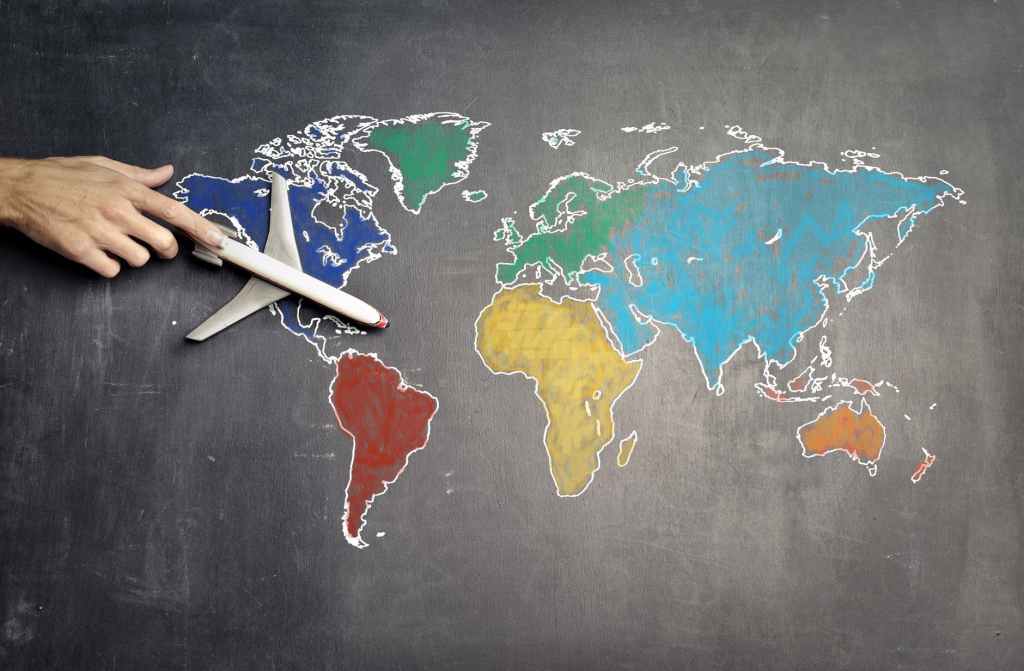
After listening to James’ recommendations and conducting my own due diligence, the program that resonated with me the most was MMIAM, a partnership between SMU Meadows School of the Arts, HEC Montréal, and SDA Bocconi School of Management, where students spend a semester on each campus in Dallas, Montréal, and Milan, with short trips to Bogotá, Mumbai, New Delhi, and Beijing in between. Why MMIAM? Well, I liked the fact that it was only a one-year time commitment. But I loved the international emphasis. As someone who’s traveled very little outside the United States, this was a very attractive value-add not offered in the other programs.
So, in early 2020, with James’ blessing, I applied and was admitted into the program. But, as they say, “the best laid plans of mice and men often go awry.” Soon after my admittance, what was at the time a concerning but contained outbreak of a novel coronavirus became a full-fledged pandemic and, as all the borders closed and the future became increasingly uncertain, I realized this was the worst time to try to travel the world. It was a heart-wrenching decision, but rather than abandon my aspirations completely, I deferred my enrollment to the following year and continued my work in the meantime.
Flash forward to 2021. Things are still tense around the world, but with the widespread availability of safe and effective vaccines, I’m feeling hopeful that by the time I’d do my international travel (January 2022, since Fall 2021 is in Dallas), the world will be much more opened up. I officially enrolled in MMIAM in February, and ever since, I’ve been shifting my life around in preparation for my journey’s commencement on August 14.
Now, to get to that aforementioned past progressive tense… I sold my home! I had been living in Chicago since June 2010 and my most recent home was a condo I bought in the East Lakeview neighborhood in March 2016. I decided I would rather take advantage of the hot seller’s market and avoid landlord responsibilities than rent out my home during a year of global travel. I could tell you the full story of my home sale process, but that would be an entire blog entry in itself.
So I am officially homeless now. A vagrant! A vagabond! But not really homeless, of course. I’m spending these summer months still working remotely, but staying with family in my hometown Grand Rapids, MI. And I have to say that after a year of separation due to the pandemic, and ahead of another year of separation due to my travels, there’s nothing more I want in life right now than to soak up as much time with my family as possible.
But what about next year, Phil? What will you do once you earn your degree? That, my friends, remains the big question, and many of the yet-to-be-written posts in this blog I’m sure will deal with it. I’ll need to find a new place to live (right now I’m considering Chicago, NYC, Miami, or staying abroad). I’ll need to find work (I intend to return to my executive search practice, most likely at my current firm, but I also hope to expand my role and diversify my portfolio of consulting services). But it’s hard to nail down specifics at this point because I know this program is going to expose me to things, and reveal things about myself, that I had never known or considered before and are impossible to predict. And that’s the experience I’m signing up for. I’m holding open the door of possibilities. I’m releasing some things that were sure and certain in my life so that I can embrace whatever new opportunities God has in store for me. And although I don’t know what my life will look like a year from now, I know that by going through this experience with an open mind and heart, whatever life I choose for myself at that time will be chosen with a wisdom and assuredness that I wouldn’t have had otherwise.
And although I don’t know what my life will look like a year from now, I know that by going through this experience with an open mind and heart, whatever life I choose for myself at that time will be chosen with a wisdom and assuredness that I wouldn’t have had otherwise.
Please tell me your thoughts! What advice would you give a first-time world traveler? Have you ever made a big life shift to prepare and open yourself to future opportunities? What did you learn from the experience? Comment below!









 My MMIAM Journey